Lumbini Buddhist University Central Campus Explores Agriculture Sector in Paklihawa Agriculture Campus Through Lens of Buddhist Teachings
April 22, 2026 2026-04-22 16:41Lumbini Buddhist University Central Campus Explores Agriculture Sector in Paklihawa Agriculture Campus Through Lens of Buddhist Teachings
Lumbini Buddhist University Central Campus Explores Agriculture Sector in Paklihawa Agriculture Campus Through Lens of Buddhist Teachings
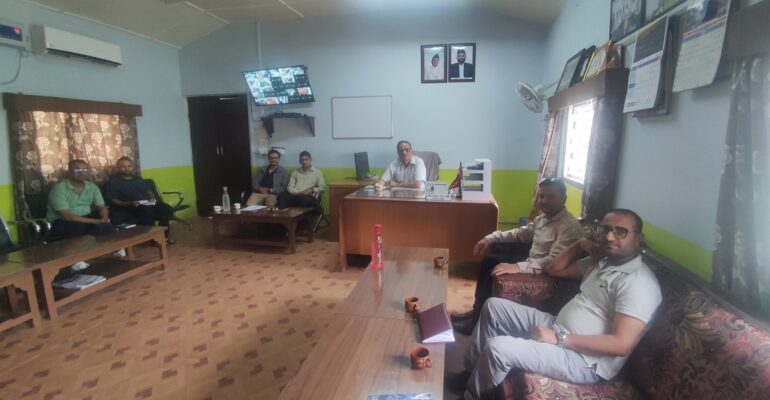
Representatives from Lumbini Buddhist University, led by Campus Chief Acharya Dayanidhi, along with Lekhnath Neopane and Roshan Paudel, conducted an inspection visit to Paklihawa Krishi Campus to explore how agricultural education can better engage students and build a strong future for them within Nepal.
The discussion focused on making agriculture more innovative, practical, and meaningful as a career. Gautam shared his vision of strengthening agricultural studies and proposed establishing a resource center to connect knowledge with real-world practice. Emphasizing “utilization of the mind” and “working for the soil,” he highlighted the balance between intellectual growth and practical effort.
Campus Chief Janma Jaya Gaire stressed that skill-based education, modernization, agribusiness, and proper market linkages are key to increasing student confidence and interest in agriculture. He also pointed out the importance of active involvement from local governments to ensure long-term impact.
Blending these ideas with the teachings of Gautama Buddha, the discussion emphasized agriculture as not just an economic activity but a mindful and sustainable practice. Values such as harmony with nature, right livelihood, and collective well-being were highlighted as guiding principles to inspire students and communities alike.
The meeting also included discussions on short-term awareness and training programs in local communities, coordinated with government bodies and NGOs/INGOs, to promote practical knowledge and engagement.
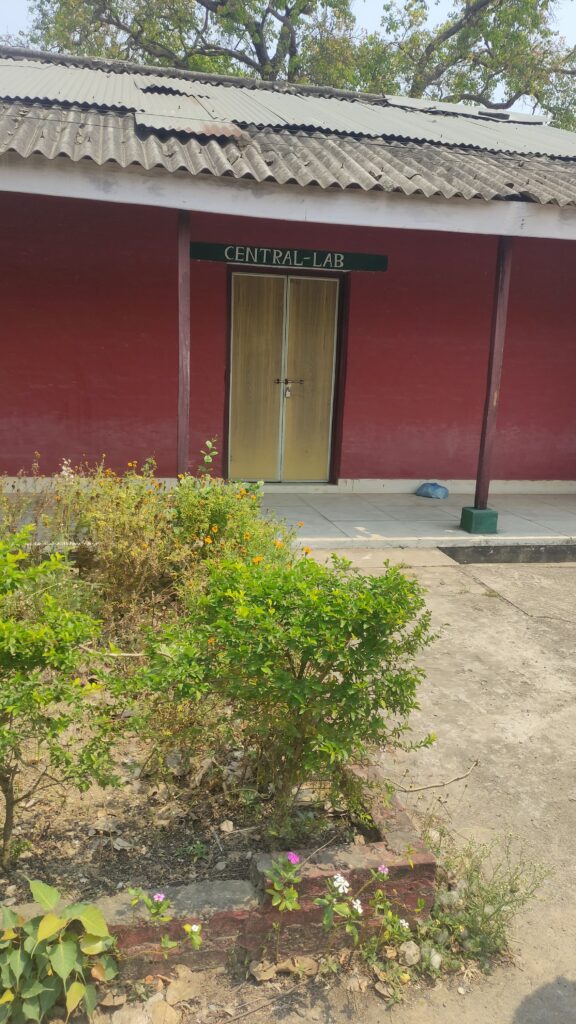
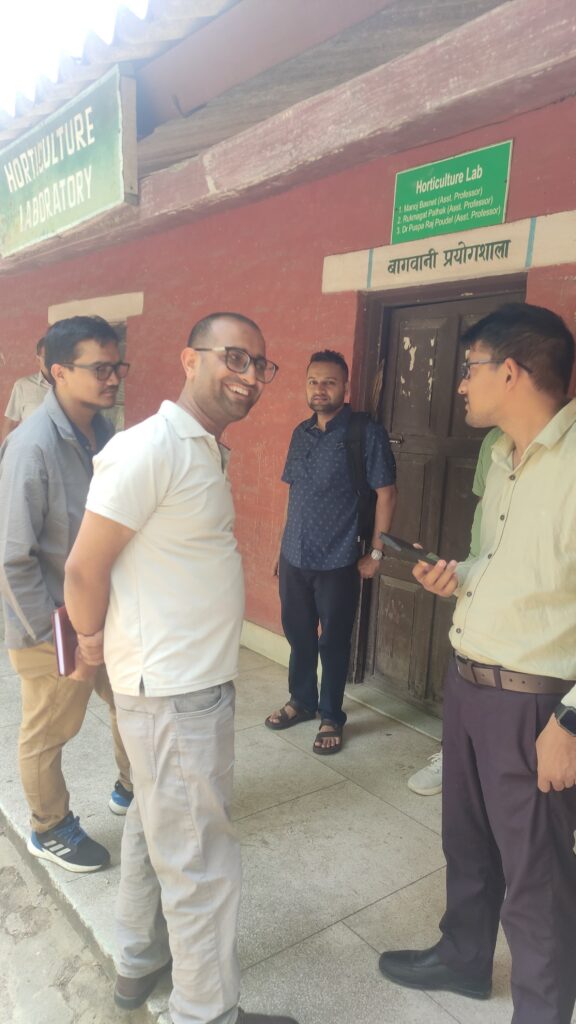
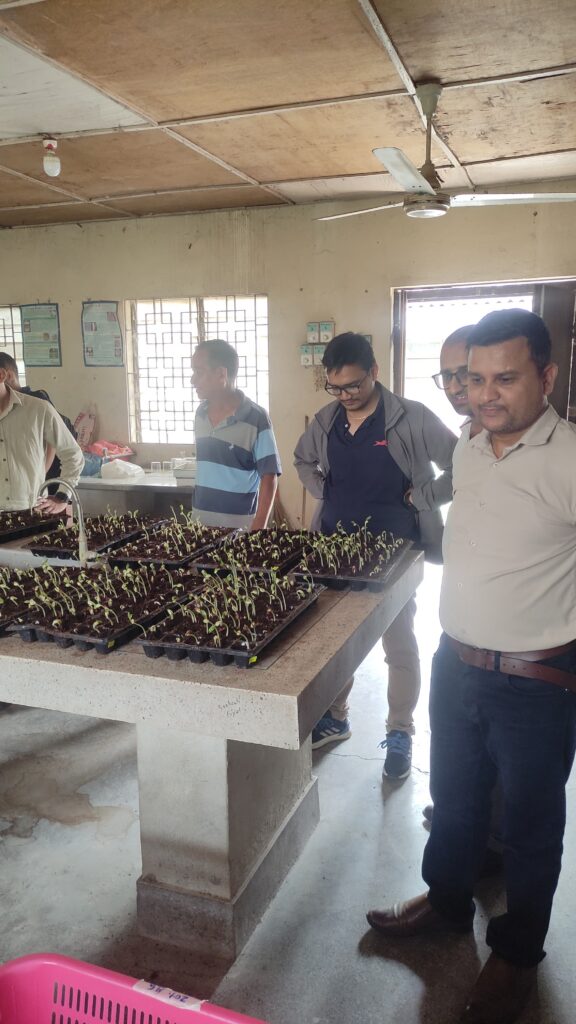
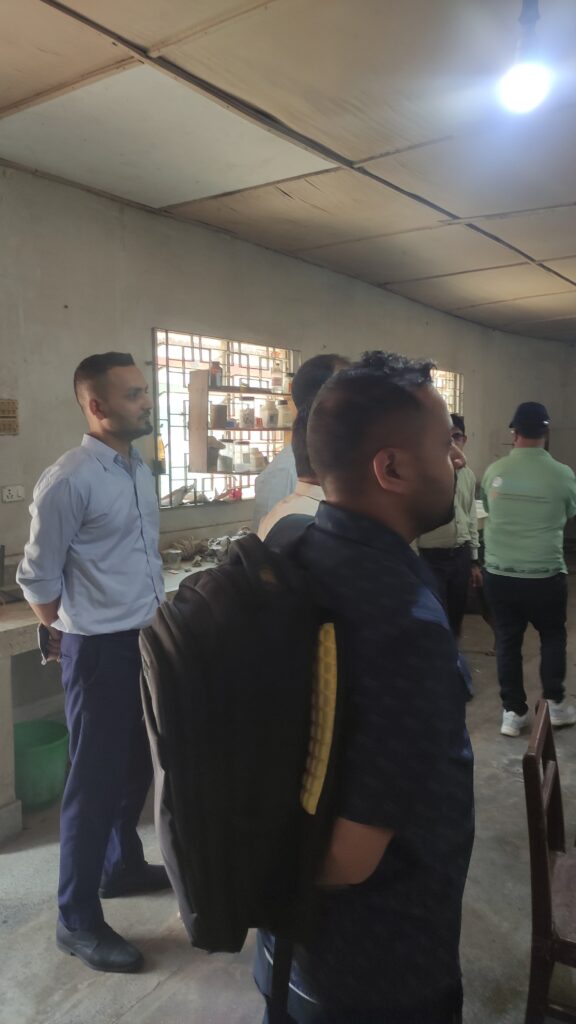
The visit concluded with a tour of key laboratory facilities, including horticulture, central, theriogenology, biochemistry, and entomology labs, reflecting strong practical learning support. Overall, the inspection highlighted collaboration, innovation, and a values-driven approach to building a promising future in Nepal’s agricultural sector.